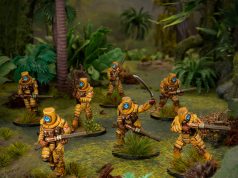



Konflikt ’47 (K47) is a tabletop wargame from Warlord Games, set in an alternate-history 1947 where “Rifts” have introduced weird science, advanced tech, monsters, mechs/walkers, and heroes into a WWII-like conflict. It builds directly on Bolt Action mechanics (Order Dice activation, pins, shooting, close combat) but adds Rift Dice (for powerful but risky abilities), Heroes, new units, and more dynamic play.
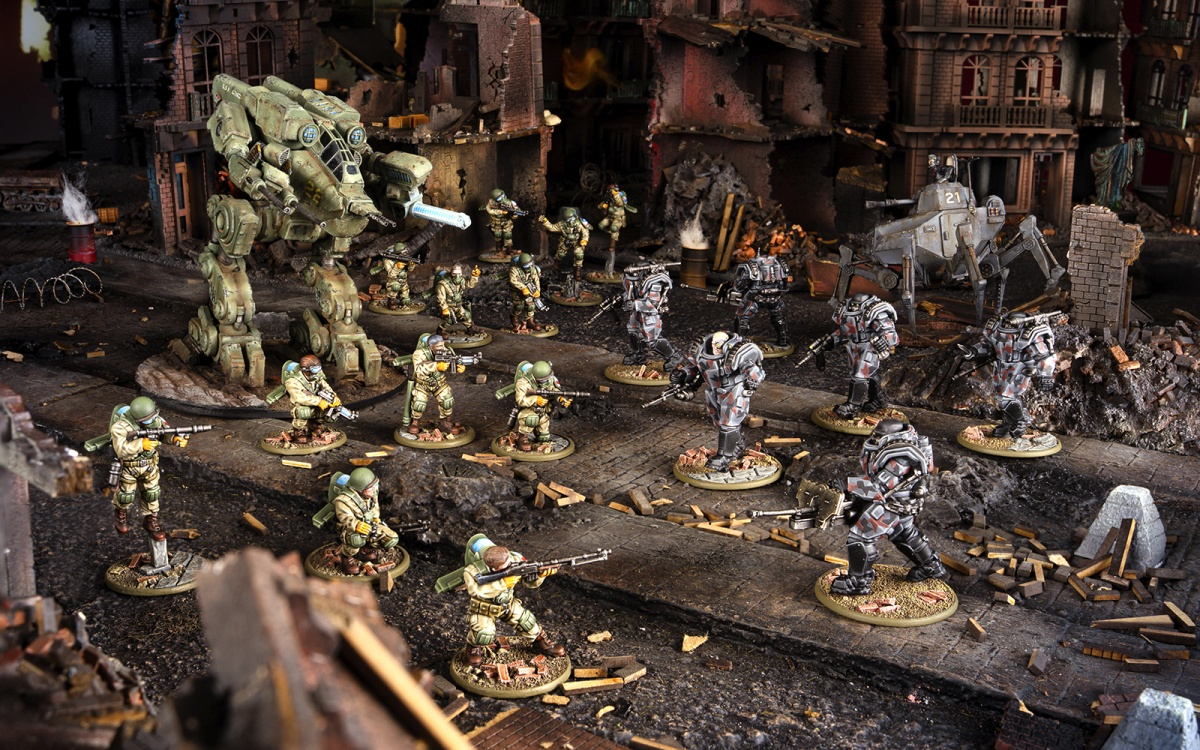
Maximize Order Dice / Activation Control Bring enough units for dice superiority. This lets you dictate the flow—activate key pieces first, respond to threats, or chain moves. Avoid over-concentrating on few expensive units.
Pin Management and Suppression Use shooting (especially HE, mortars, or area weapons) to pin enemies before assaults or to neutralize threats. Indirect fire (mortars/artillery) is strong against stationary or pinned targets. Rally pinned units promptly, especially with officers/Heroes.
Leverage Cover and Positioning Terrain is crucial. Use “Down” orders for better saves. Advance methodically into cover. Flank or use infiltrators/ambush for angles. Objectives often require holding ground—get there first and dig in.
Rift Dice Timing Save surging/exhausting for decisive moments (e.g., critical charge, anti-vehicle shot, or clearing pins). Don’t waste them early. Some units (like Stahltruppen) shine when keeping theirs active.
Combined Arms Infantry screens and holds, walkers/vehicles provide firepower and mobility, artillery/supports soften targets, and Heroes lead pushes. Don’t rely on one type—balance for threats (anti-infantry, anti-tank, anti-walker).
Objective Play Over Pure Attrition Most scenarios reward controlling points or completing goals. Push aggressive units toward objectives while supporting with fire. Force opponents to react to you.
Assaults and Close Combat Soften targets with shooting first (reduce numbers/pins). Assault weapons are deadly. Use locked combat to your advantage if you have the edge. Fire into melees when beneficial.
Rift Dice are the signature new mechanic in Konflikt ’47 (K47) that sets it apart from standard Bolt Action. They represent the unstable, chaotic “Rift energy” powering advanced tech, weird science weapons, genetically enhanced units, monsters, and more. They create a strong risk-reward dynamic and encourage careful timing.
Rift Basics
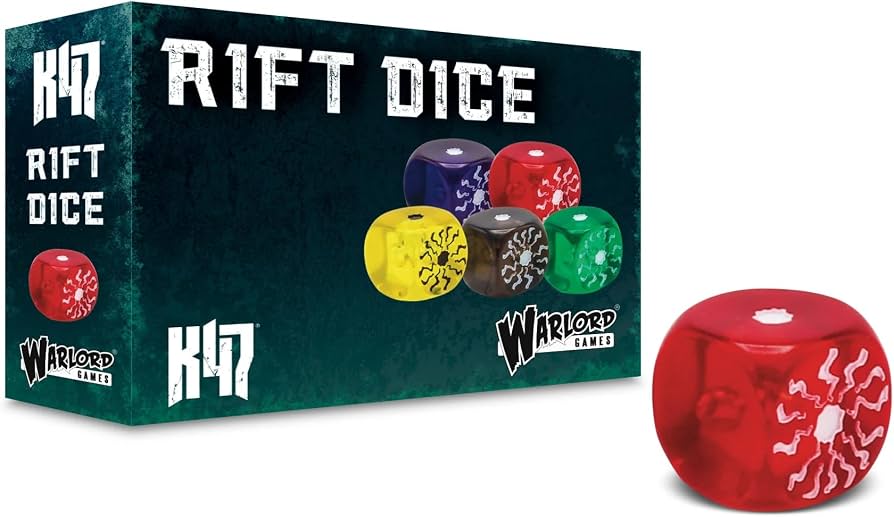
Rift Units (those using Rift-tech, special abilities, or enhanced by Rifts) each get one Rift Die (sometimes more for certain units or upgrades).
You need one physical Rift Die per Rift Unit (and per Rift Weapon upgrade in some cases). These are faction-colored d6s, the same size as Order Dice.
Three states on each Rift Die:
- Active (standard power level).
- Surging (overcharged, more powerful).
- Exhausted (depleted, often with penalties).
Rift Dice are not drawn like Order Dice in the main bag for activation. They mostly stay with their unit.
Faction Playstyles in Konflikt ’47 build on the core mechanics (activation, pins, Rift Dice) but emphasize each side’s unique Rift-tech, units, and thematic strengths. All factions are viable and balanced around 1250–1500 points, but they reward different approaches: aggression, durability, mobility, consistency, or horde tactics.
Axis (Germans and thier allies)
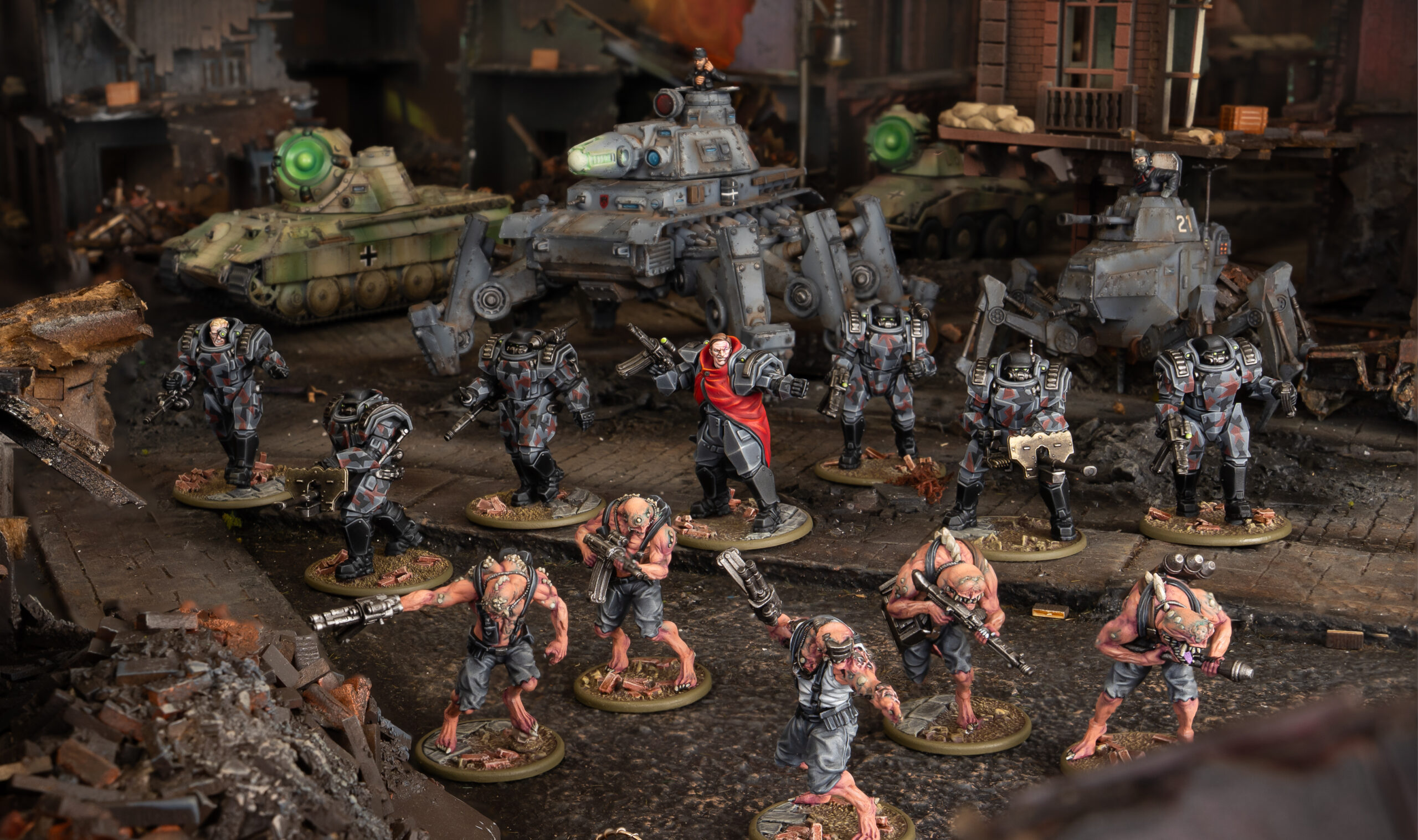
Playstyle: Versatile powerhouse with high-risk, high-reward Rift-tech and durable/elitist units. They excel at exploiting weird science for overwhelming local superiority.
- Key Strengths:
- Tough heavy infantry (Stahltruppen — nearly immune to small arms, high firepower).
- Monsters and bio-horrors (Totenkorps undead hordes that soak fire, Nachtalben/Schreckwulfen for terror/flanking, Nachtjäger).
- Powerful walkers with gravity weapons (Schwerefeld projectors that crush infantry/armor via Rift abilities).
- Excellent Rift Dice synergy for surges/overload on weapons like gravity pulses or hyper-velocity guns.
- How to Play: Mix armored infantry anchors with fast monstrous screens or mech-focused lists. Use Rift Dice for decisive pushes (e.g., auto-pass orders or area denial). Strong in combined arms — grind with durable units while monsters/flankers create openings. Aggressive but flexible; can pivot to horror swarms or mech dominance.
- Weaknesses: Rift reliance can backfire if dice exhaust poorly; some units are pricey.
United States
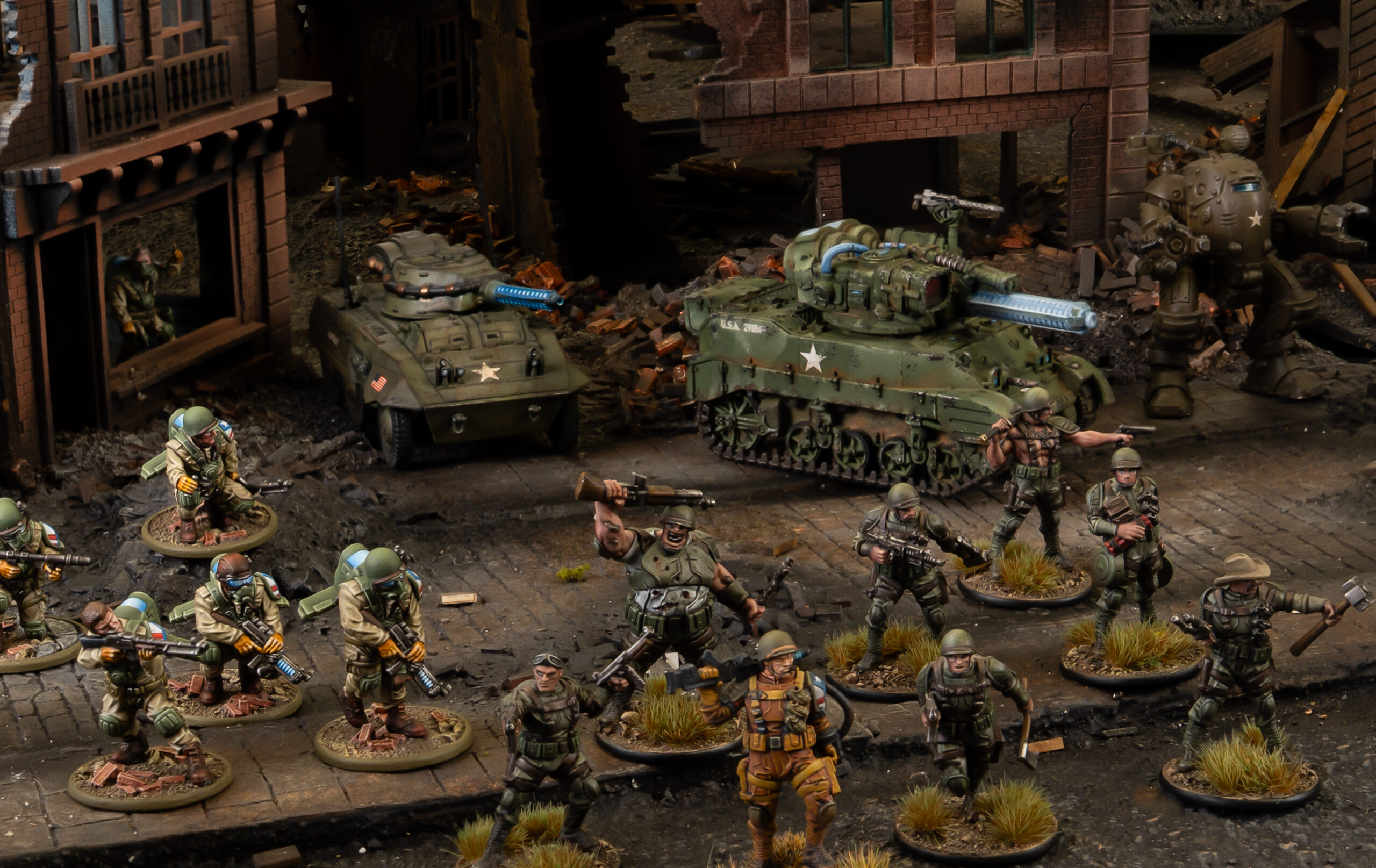
- Playstyle: Mobile, high-firepower aggression with hit-and-run tactics and technological superiority.
- Key Strengths:
- Jump troops (Fireflies — leap over terrain for rapid strikes with SMGs).
- Tesla weapons (high damage, arcs, Overload potential for extra shots/penetration).
- Walkers (M2A5 Linebacker jump walkers, Grizzly/Bruin assault walkers — mobile firepower).
- Paragon super-soldiers and genetic enhancements.
- Commanders often grant extra Guts for flexibility.
- How to Play: Emphasize speed and flanking. Use mobility to dictate engagements, soften with Tesla/fire support, then close with assaults. Great for objective grabs and pressuring multiple fronts. Avoid static fights — keep moving and use Rift Dice for bursts.
- Weaknesses: Can be vulnerable if pinned down or if mobility is neutralized.
British Commonwealth
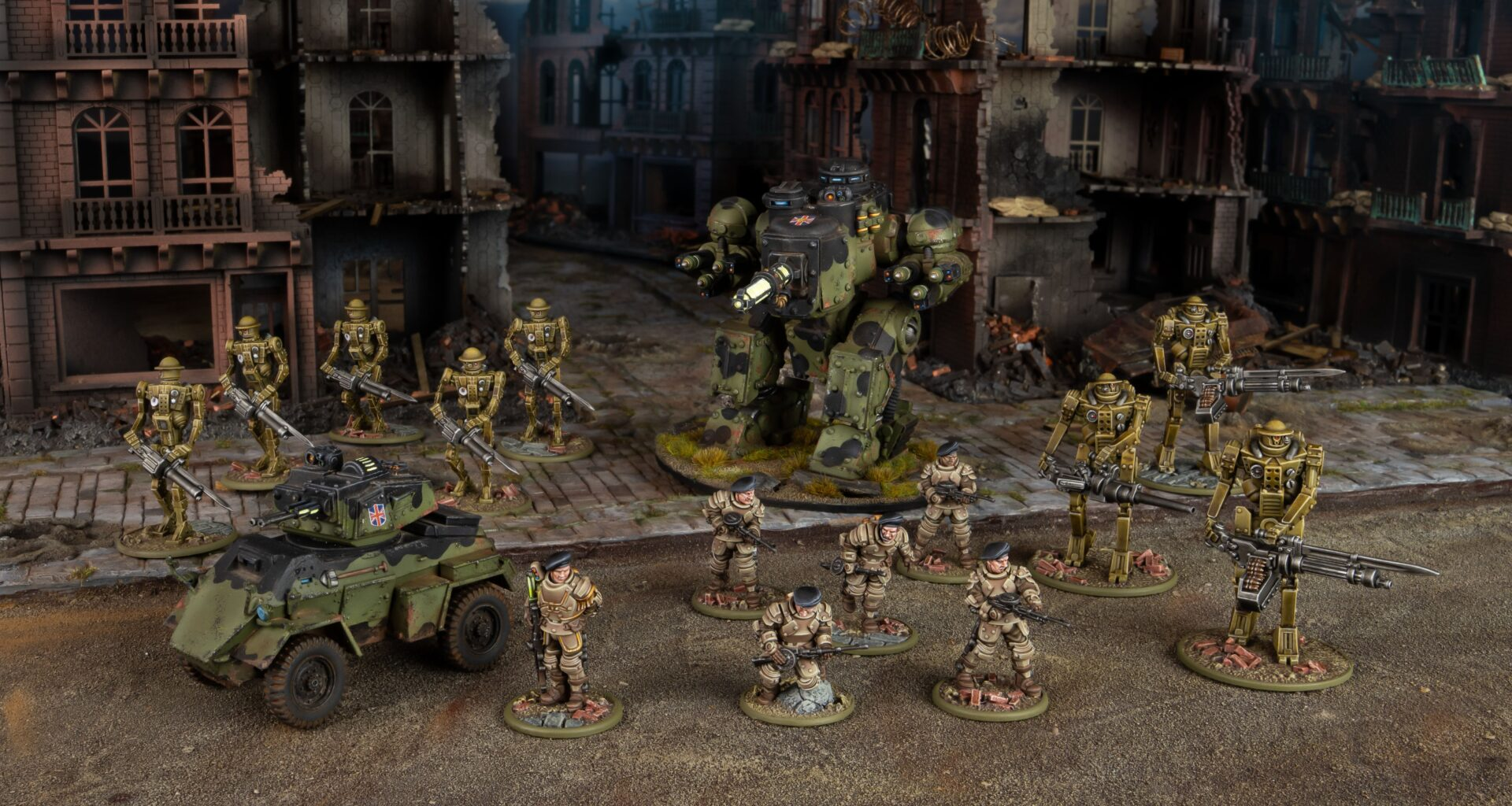
- Playstyle: Reliable, methodical, and consistent combined-arms with a focus on tempo control and endurance. Not flashy, but hard to break.
- Key Strengths:
- Automated Infantry (Mk I/II — tireless, resilient robots with steady firepower; synergy via Mk II buffs).
- Durable line holders (Galahad armoured infantry).
- Specialist pressure (Grenadiers with Tesla, Cerberus war dogs for disruption).
- Walkers/tanks (Churchill Meteor for area denial, Percival/Merlin).
- Superior Codebreaking (steal initiative once per game) and computational systems for reliable shooting on the move.
- How to Play: Build incremental advantage through positioning, sequencing activations, and layered fire. Anchor with automations/infantry, use indirect/tesla for suppression, and dictate mid-game tempo. Rewards planning and combined-arms synergy over risky spikes. Excellent for defensive-to-offensive grinds.
- Weaknesses: Less explosive than others; relies on smart execution rather than raw power.
Soviet Bloc
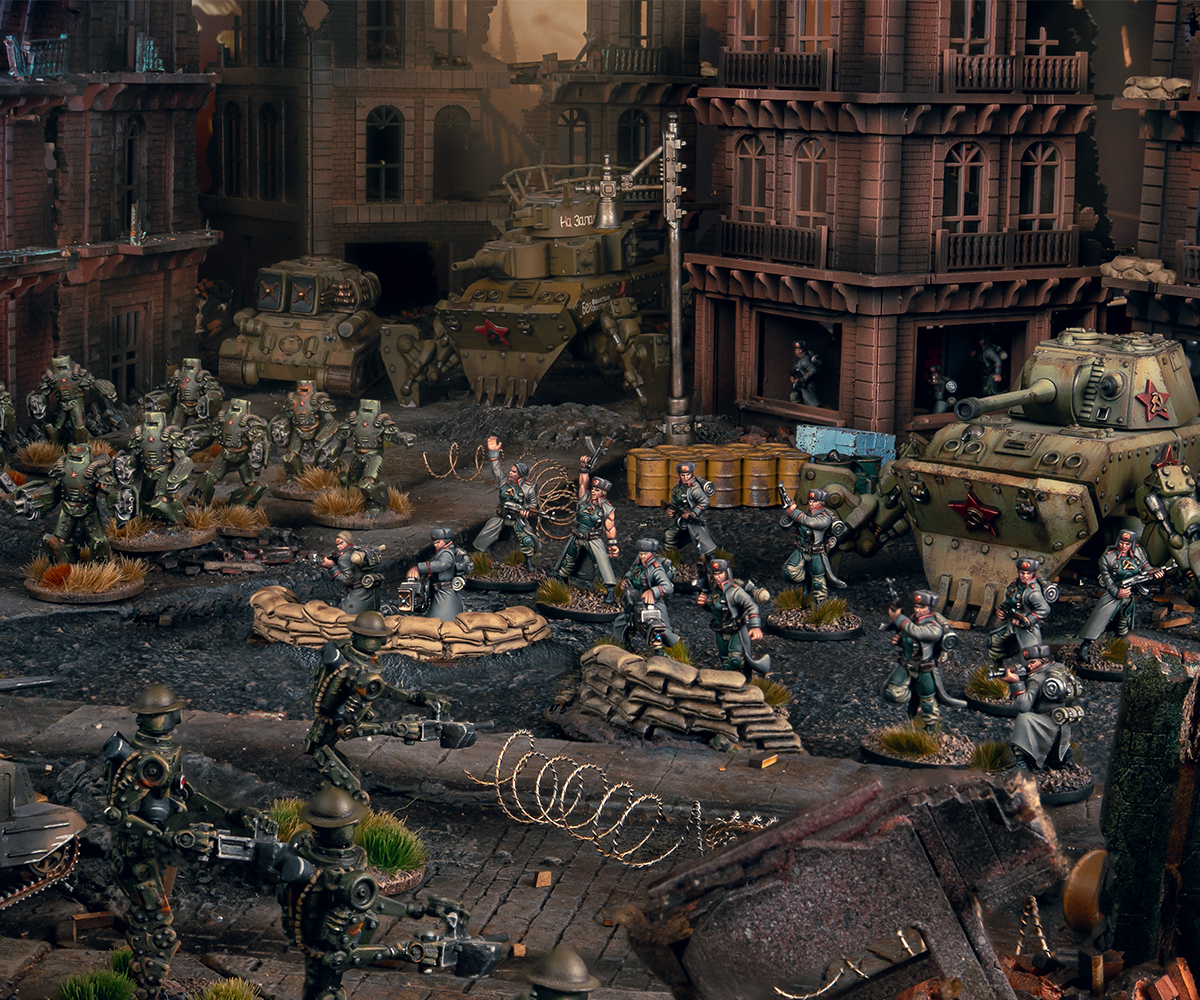
- Playstyle: Overwhelming force through numbers, genetic monstrosities, and brutal close-quarters aggression. Stalwart with morale tricks.
- Key Strengths:
- Genetic horrors (Ursus bear-men for ripping in melee, Moroz Gul Siberian Terror Troops for icy close combat and resilience).
- Mass infantry backed by commissars (reroll orders, morale boosts at a cost).
- Sonic/Zvukovoy weapons for pinning/morale disruption.
- Heavy walkers (Mastodon) and rugged armor.
- How to Play: Push waves forward to overwhelm. Use terror troops/monsters to break lines, supported by numbers and artillery. Excel in short-range firefights and assaults. Manage morale proactively. Can adapt but shines in grinding, high-casualty advances.
- Weaknesses: Less sophisticated tech; relies on volume and aggression.
Empire of Japan
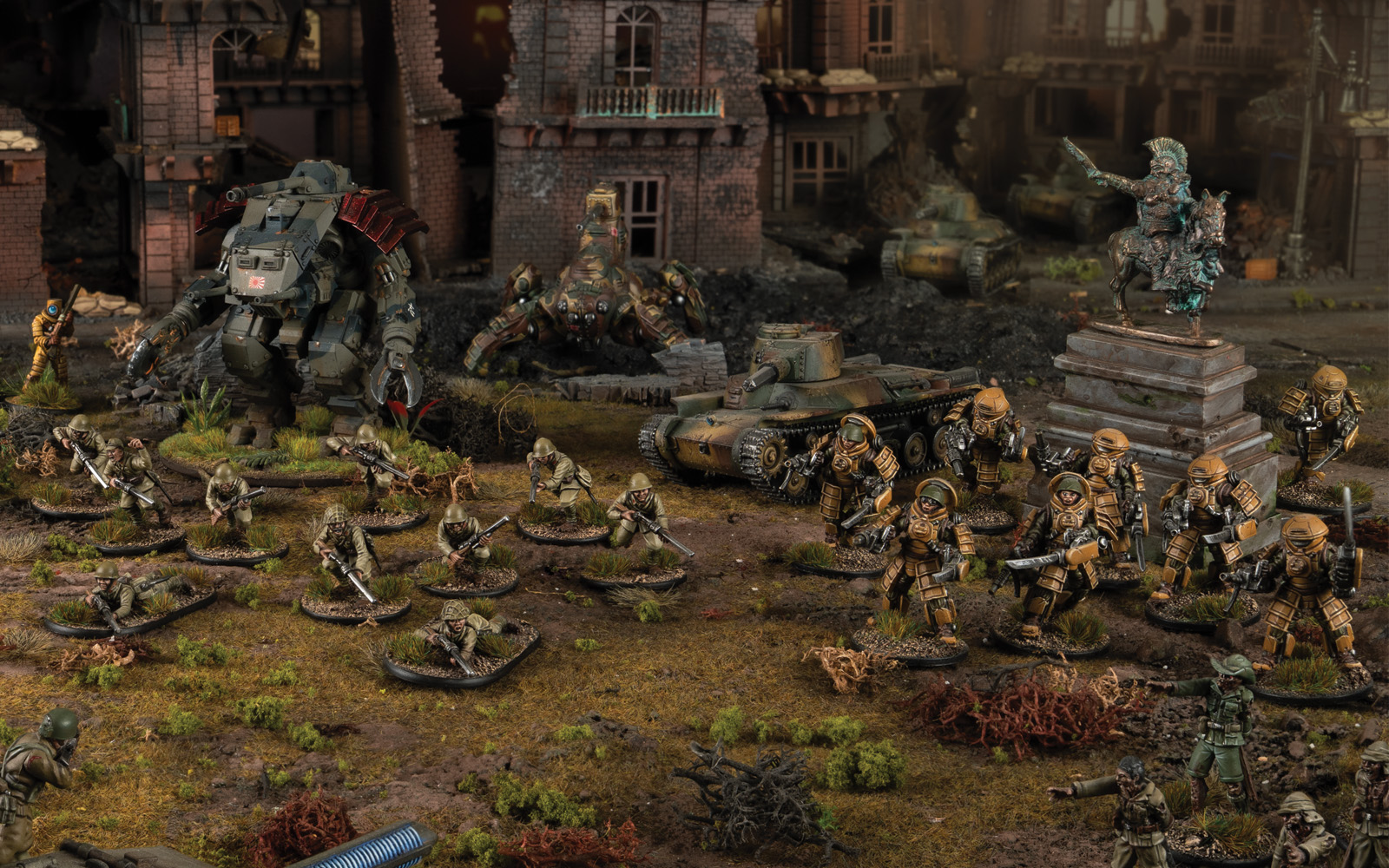
- Playstyle: Fast, sneaky, close-assault focused with stealth and fanaticism. Mid-to-close range pressure with ambush potential.
- Key Strengths:
- Phasing Ghost squads (phase out/in for impossible angles and sudden strikes).
- Shibito undead and assault frames for relentless melee.
- Fanatic rules boosting close combat.
- Unique Rift-tech (Shiboru compression rifles) and light/medium armor/walkers for support.
- How to Play: Infiltrate or outflank, use phasing for surprise assaults, and coordinate with mortars/indirect fire. Hit hard and fast in close quarters, then reposition. Strong on objectives requiring bold moves.
- Weaknesses: Riskier against heavy ranged firepower; needs good positioning.