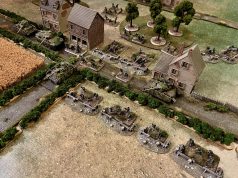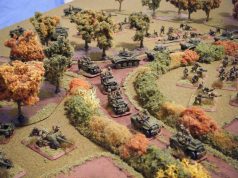


Big battles. Small models. No spare bedroom required.
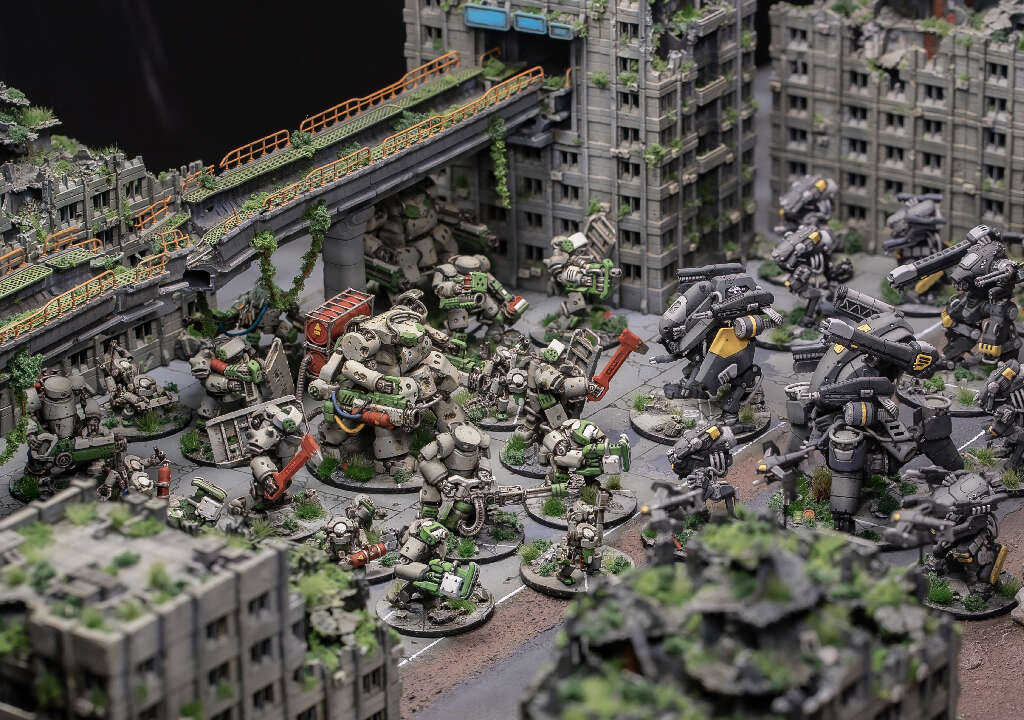
If you’ve been eyeing 6mm wargaming but never pulled the trigger, Full Spectrum Dominance (FSD) is one of the easiest on-ramps going right now. It’s a combined-arms sci-fi wargame from The Lazy Forger and Feo’s Miniworlds, published through Modiphius — and it delivers full battalion-level warfare (mechs, tanks, infantry, aircraft) on a footprint that fits on a coffee table.
Here’s what you need to know to get your first game on the table.
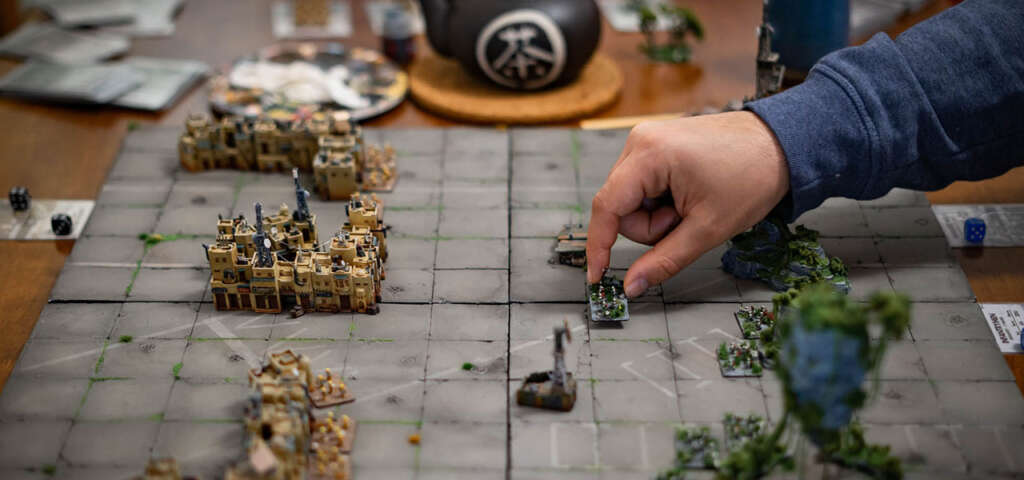
What FSD Actually Is
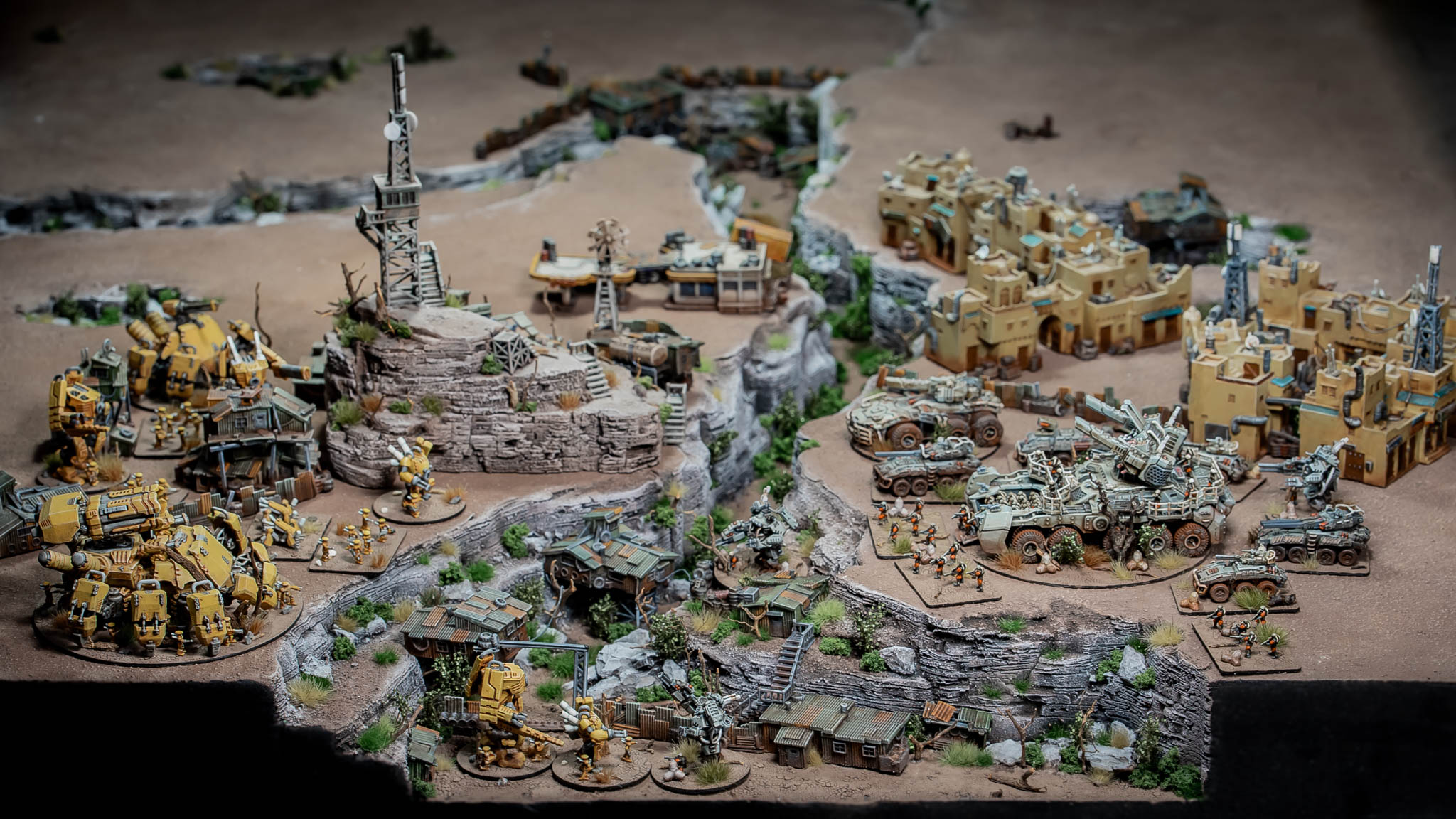
FSD is a 6mm combined-arms game where you’re commanding at a formation level — the smallest thing you control is either an infantry platoon or a single vehicle, not an individual trooper. That’s the sweet spot between skirmish games (where you sweat every model) and full-blown tabletop mass-battle systems (where you need a warehouse). You get the spectacle of tanks, mechs, and aircraft clashing over an objective, without needing hundreds of miniatures or a table the size of a ping-pong court.
The core system runs on an activation economy: dice get placed on unit cards to trigger actions, and because activations are shared across the game rather than resolved turn-by-turn, both players stay involved throughout — nobody’s just sitting there waiting for their opponent to finish a phase.
What You Need to Start
1. The rulebook. Through the usual wargaming retailers.
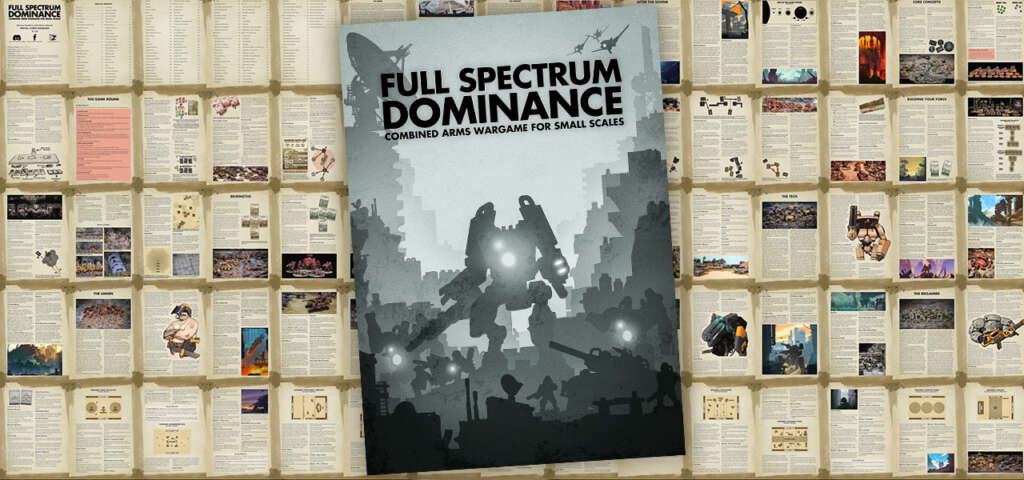
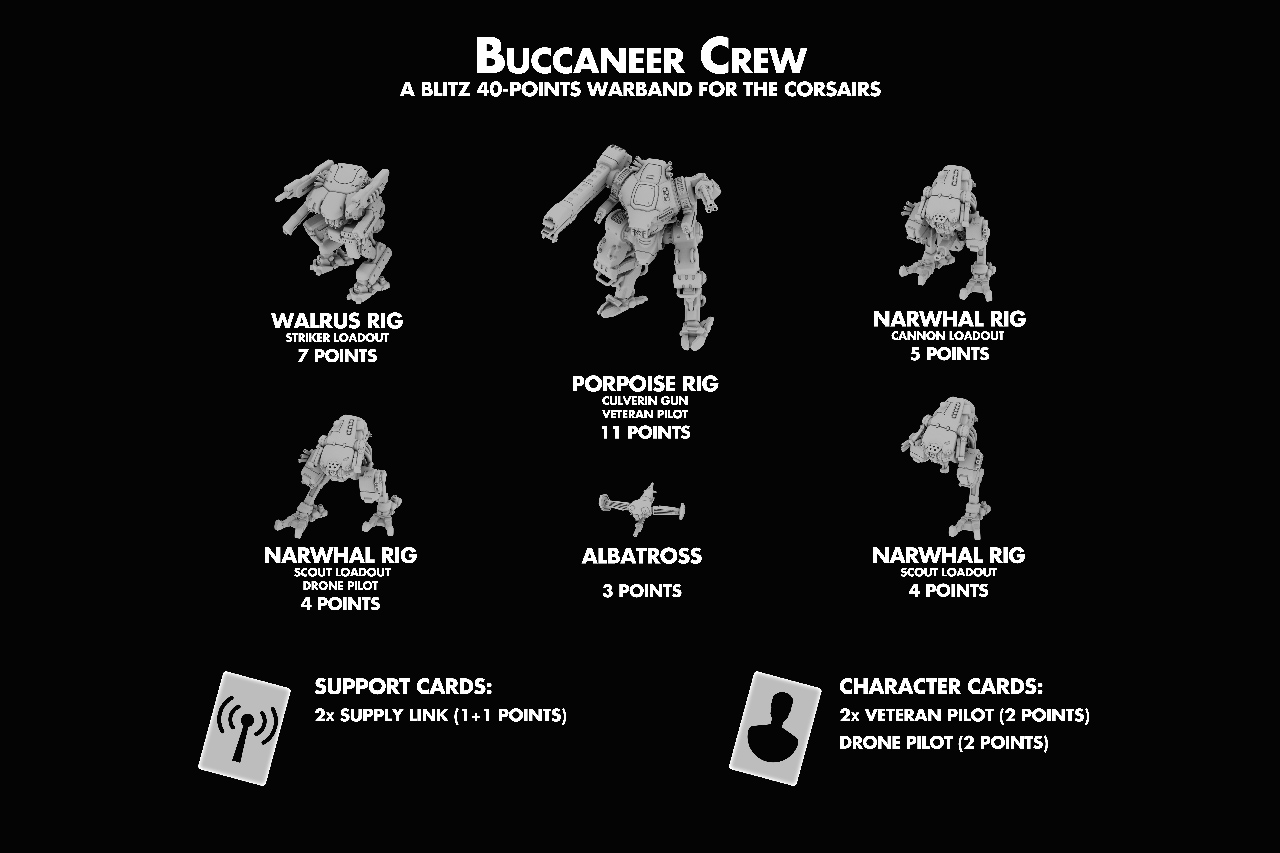
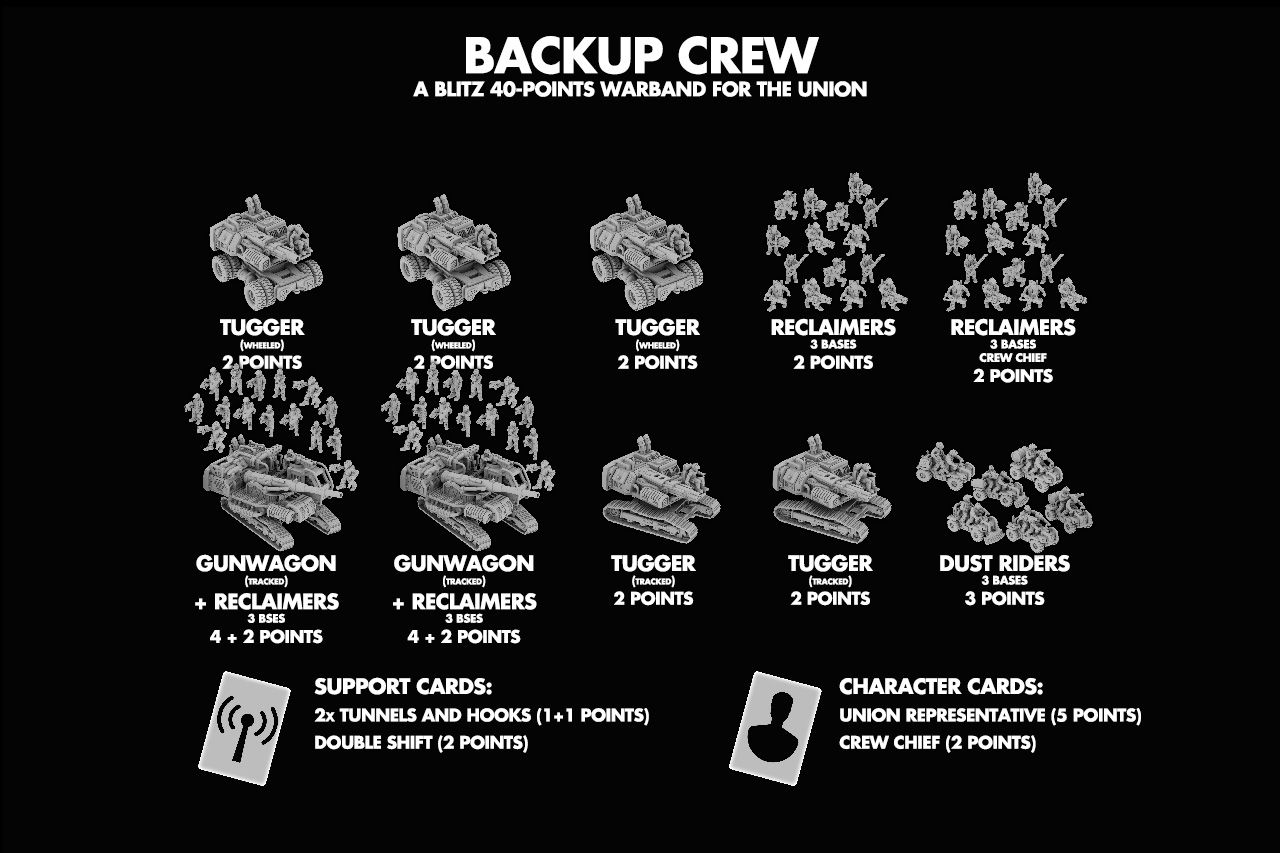
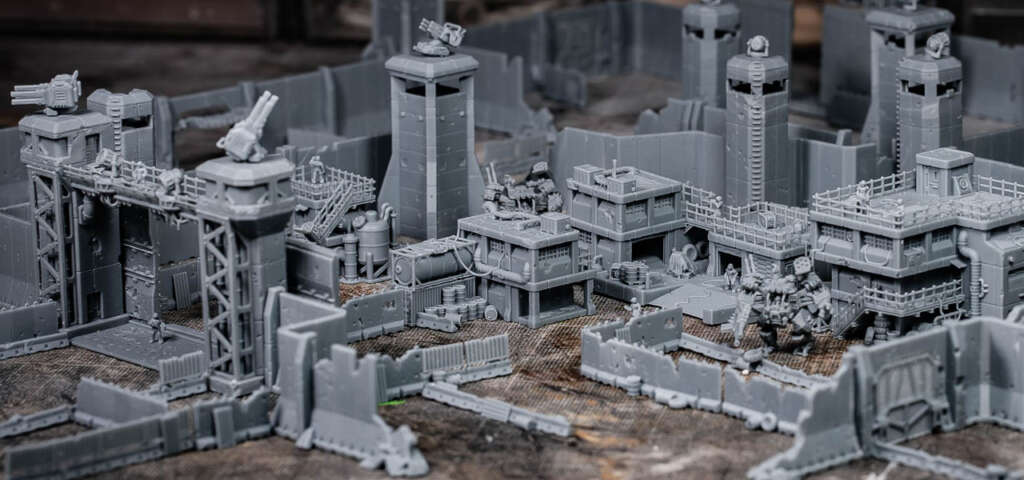
2. Miniatures. FSD is scale-and-model agnostic in theory — you can proxy with whatever you’ve got in a drawer — but the game was designed around The Lazy Forger’s own 6mm sculpts, sold as 3D-printable files via MyMiniFactory. If you’ve got access to a resin or FDM printer, this is the cheapest and fastest route into the game. Six factions are currently supported: The Enlisted, The Tech, The Conglomerate, The Union, The Corsairs and The Reclaimed.
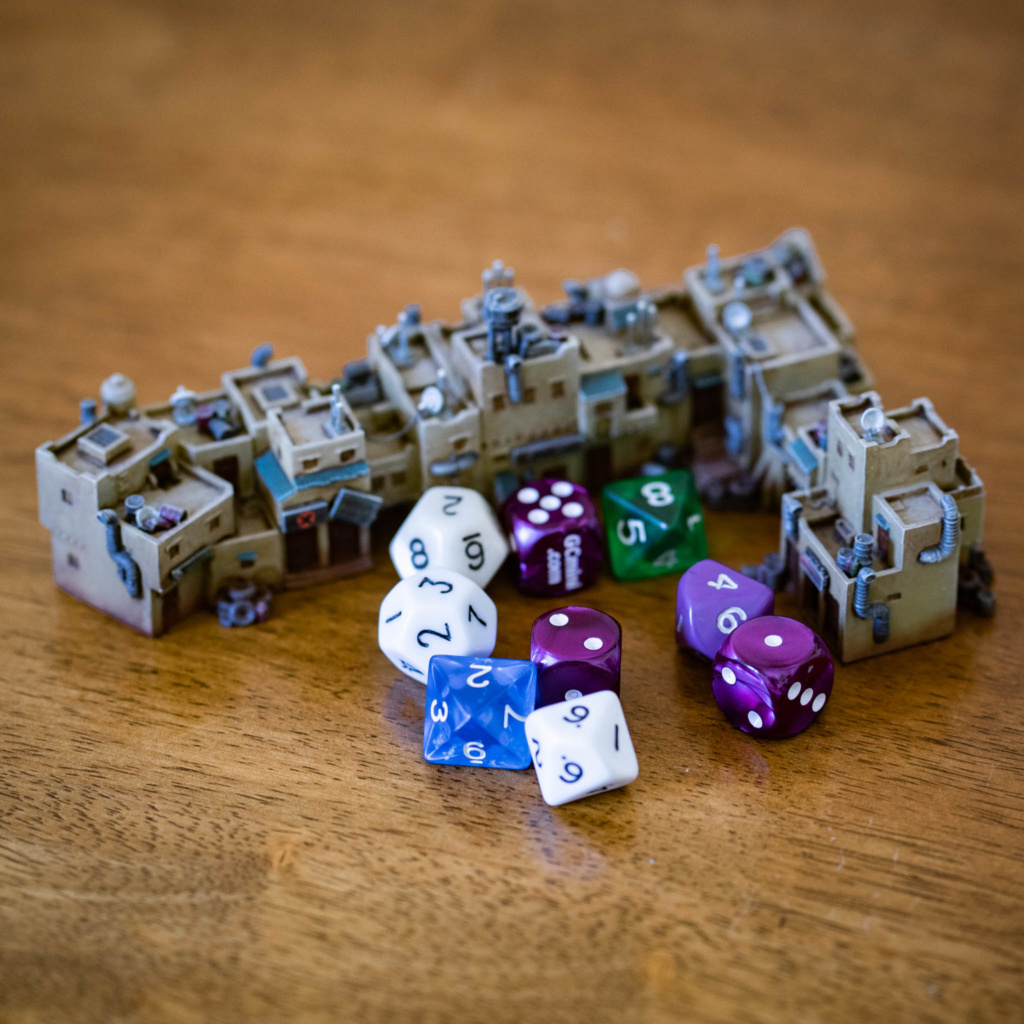
3. Dice. More variety than you’d expect for a “small” game — d6s, d8s, d10s, and occasionally a d12. Grab a handful of each before your first session so you’re not scrambling mid-turn.
4. A modest table. This is the whole point of FSD — a 3’x3′ (roughly coffee-table-sized) surface is enough for a proper battle. No need to clear out a games room.
Your First Game
- Start with a small points value to learn the activation system without juggling a dozen unit cards at once.
- Pick two factions with genuinely different playstyles so the asymmetry teaches you the rules faster than a mirror match would.
- Don’t worry about optimising your list on game one — FSD rewards tactical decision-making turn to turn more than it rewards spreadsheet-perfect army building.
Why It’s Worth Your Time
For hobbyists who love the idea of commanding combined-arms warfare but have been priced out by space, minis cost, or rules bloat, FSD hits a real gap.
It’s small-footprint, fast to learn, mechanically tight
and — because the official range is 3D-printable — genuinely accessible if you’ve already got a printer running for other projects.
If you’re building out your own 6mm collection or thinking about running FSD as a demo or workshop game, it’s a strong pick: quick to teach, visually impressive on the table, and short enough as a ruleset that new players aren’t drowning in reference sheets by turn two.
Over the upcoming weeks… we will be exploring each faction and how best they are being used.